
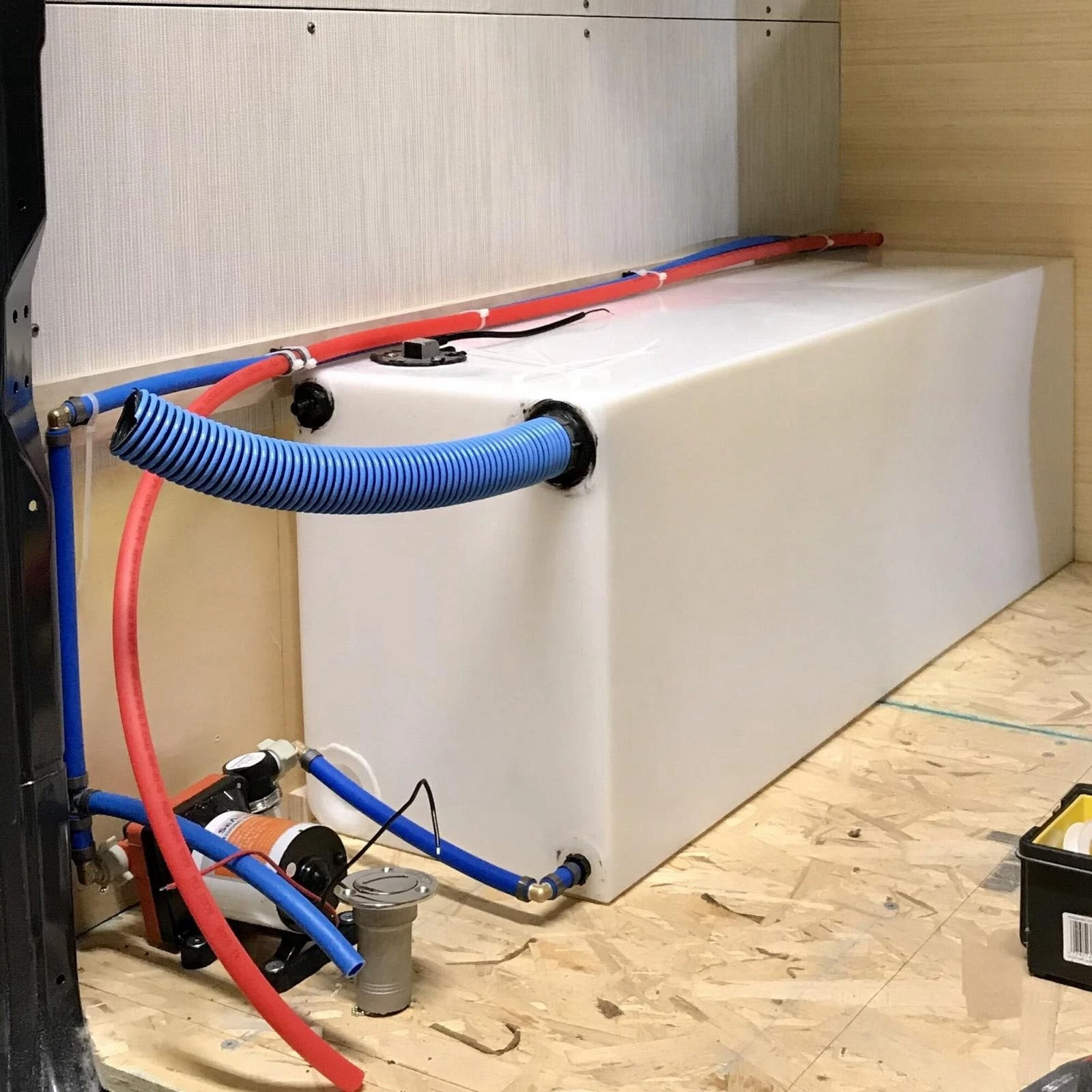
Seaflo 12V Water Pump System: Accumulator, Washdown & Bilge
If you’ve ever dealt with a weak shower, a “machine-gun”- pulsing tap, or a washdown hose that barely rinses the deck, the fix usually isn’t “buy a bigger pump”; it’s building the system the right way.
In most small boats, RVs, and off-grid setups, you’re really managing two different water jobs:
- Pressurised clean water for taps, showers, and galley (that’s where a Seaflo 12V Water Pump/Diaphragm pump shines).
- Fast water removal from the bilge (that’s the job of a Bilge Pump 1100GPH).
Add a Washdown Kit for cleaning, and an accumulator tank for smoother flow, and you’ve got a setup that feels “home-like” instead of “camp-like.”
1) Start with the basics: one “water pump” name, two very different pumps
Seaflo Water Pump (freshwater pressure)- Diaphragm Pump
A diaphragm pump is built to create pressure and turn on/off automatically as you open and close a tap. Many Seaflo Diaphragm Pumps, also known as “automatic pumps,” are designed to be self-priming, can run dry without damage, and use a built-in pressure switch to start/stop with demand.
Bilge Pump 1100GPH (drainage) – Submersible Bilge Pump
A bilge pump is built to move volume, not to pressurise a tap. Many 1100GPH bilge pumps are non-automatic unless paired with a float switch or a control panel switch.
2) Choosing the right Seaflo 12V Water Pump (Diaphragm pump) for your taps & shower
When people search “Seaflo Water Pump,” they often mean:
“I want steady pressure at my fixtures without the pump constantly cycling.”
Here’s what to look at:
A) Flow rate (GPM/LPM): match it to how many outlets you’ll use
- 1 outlet at a time (small sink and occasional shower): a lower-flow pump can work.
- 2 outlets at a time (someone showering while a tap runs): consider a higher-flow model.
B) Pressure (PSI): “enough” is better than “maximum.”
Bigger PSI isn’t automatically better. You want:
- Comfortable shower pressure
- No leaks at fittings
- Less stress on the hose clamps and connectors
C) Self-priming and “can run dry.”
These are real-life features that matter on boats/RVs (where tanks run low or lines get air). Seaflo highlights self-priming and the ability to run dry on several 12V demand pump ranges.
Practical rule: If your system sometimes sucks air (tank low, winterising, long suction line), prioritise a pump designed for that.
3) The upgrade that makes everything feel better: Seaflo Water Pump and Accumulator Tank System
If there’s one add-on that makes a diaphragm pump system feel smoother, it’s the Seaflo Accumulator Tank.
What an accumulator tank does
It stores a small pocket of pressurised water and air so:
- Your tap flow is smoother
- The pump cycles less often
- The system is often quieter
- Hot water temperature is easier to manage on instant heaters (less pressure swing)
How to set it up so it actually works
Most accumulator tanks come pre-pressurised and recommend adjusting tank air pressure to about 3 psi below your pump’s cut-in pressure.
Simple placement tip: Install it on the discharge side (after the pump), close to where the water system branches to fixtures.
Safety note: Follow the tank’s max pressure limits and usage warnings
4) Adding a Washdown Kit without wrecking your onboard water pressure
A Seaflo Washdown Kit is one of those upgrades you don’t appreciate until you have it. Rinsing salt, mud, bait prep mess, sandy feet, and dinghies gets much easier.
Most kits bundle the parts people forget:
- High-pressure 12V pump
- 6m Coiled hose
- Trigger spray nozzle
- Inlet strainer
- Quick-connect fittings/adapters
Two ways to plumb a washdown system
Dedicated washdown pump with dedicated pickup
- Your cabin water pressure stays consistent.
- Washdown use doesn’t starve the shower.
- Easier troubleshooting.
Tee off the main freshwater pump
- Fewer parts, less space.
- Can reduce pressure at taps if someone uses the washdown at the same time.
5) Bilge Pump 1100GPH: what it’s for (and what it’s not)
A bilge pump is your “get water out fast” tool, not your tap pressure tool.
Seaflo’s 1100GPH Bilge Pump listings describe use via a panel or float switch, and highlight features like anti-airlock protection and moisture-tight seals.
Quick buying checklist for a 1100GPH bilge pump
- Non-automatic vs automatic: If it’s non-automatic, plan a float switch or panel switch.
- Hose routing: Keep runs as short and smooth as possible.
- Serviceability: A removable base/strainer makes maintenance easier.
6) Installation Checklist
Diaphragm Pump
- Use the right strainer before the pump (protects valves/diaphragm).
- Mount on a firm surface with vibration control (reduces noise).
- Use proper hose clamps and sealants rated for your water type.
- Wire with the correct fuse rating and cable size for your pump’s current draw.
Accumulator Tank
- Mount it on the discharge line, anywhere in-line after the pump (per Seaflo guidance).
- Set pre-charge correctly (that “3 psi below cut-in” step matters).
Bilge Pump
- Confirm switch plan: panel, float switch, or both.
- Test it with real water (not just a quick “spin-up” test).
7) Common Problems
“My tap pulses, and the pump is noisy.”
Add/adjust the accumulator tank pre-charge and confirm it’s set near the recommended relationship to cut-in pressure.
“My washdown is weak.”
Check strainer blockage, hose kinks, and whether you’re teeing off the main pump (shared flow reduces pressure).
“My bilge pump runs but doesn’t clear water well.”
Look for airlocks, long hose runs, or a partially blocked strainer base; consider routing and discharge height. (Also confirm it’s actually a 1100GPH class pump.)
FAQ
Do I need an accumulator tank with a diaphragm pump?
Not always, but it usually improves smoothness and reduces rapid pump cycling, which can also reduce noise.
Can I use one Seaflo pump for both taps and washdown?
You can, but a dedicated washdown kit often performs better because washdown use can reduce pressure at indoor fixtures.
Is a Bilge Pump 1100GPH automatic?
Many 1100GPH bilge pumps are sold as non-automatic and are activated by a panel or float switch.
Where should the accumulator tank be installed?
On the discharge side of the pump, anywhere in-line after the pump, secured with proper fittings and clamps.